
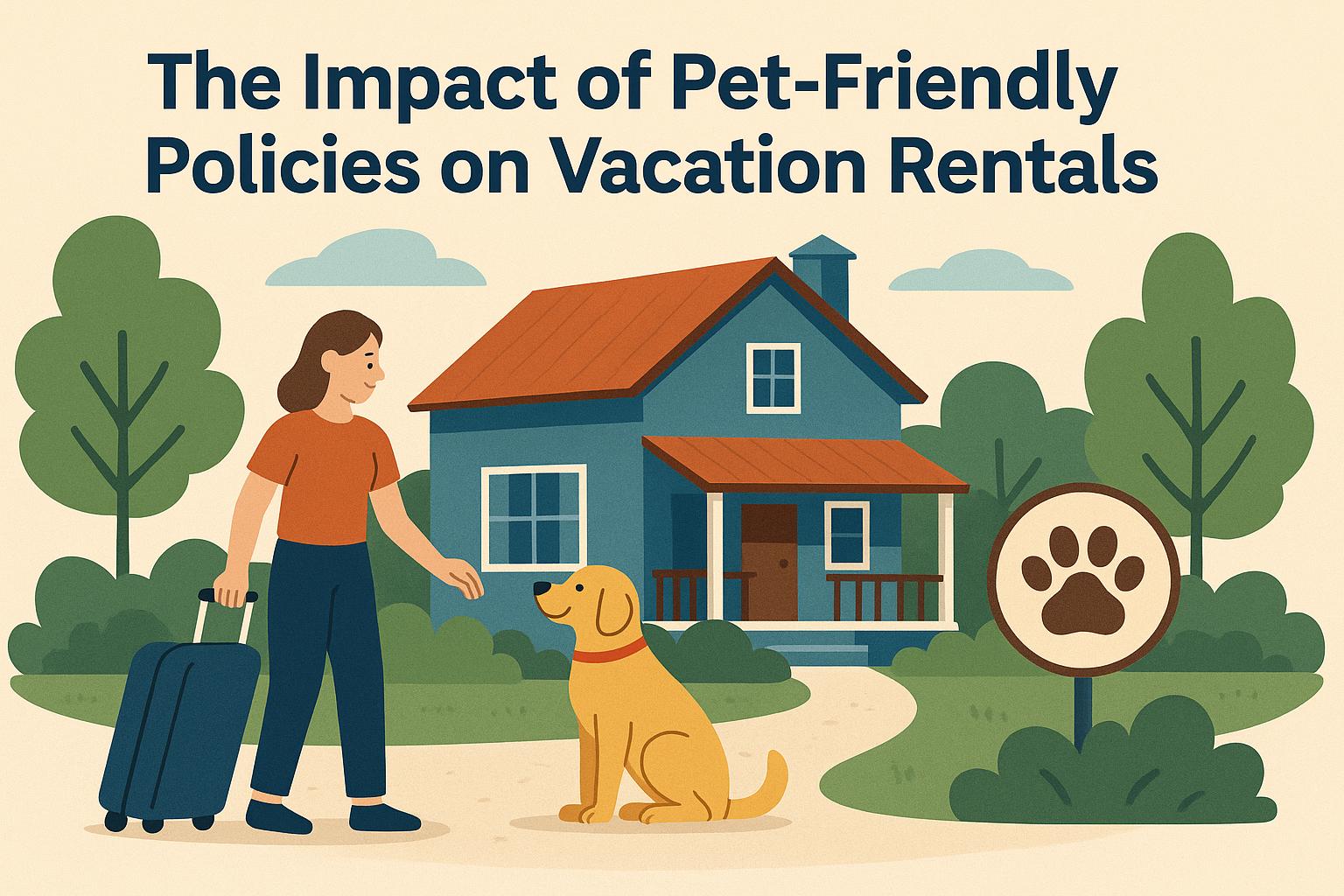
 The impact of pet-friendly policies on vacation rentals.
 The Growing Trend of Pet-Friendly Vacation Rentals
There is an observable trend where vacation rentals are increasingly adopting pet-friendly policies. This shift is designed to cater to a broader audience, notably including pet owners who wish to travel without leaving their furry companions behind. The reasons for this change are numerous, ranging from an increase in market demand to the potential for landlords and vacation rental owners to experience boosted bookings and extended client reach.
Market Demand for Pet-Friendly Accommodations
The demand for vacation rentals that allow pets has seen a notable rise in recent years. This uptick is largely due to the changing perception of pets within households. Pets are now often regarded as family members, prompting owners to seek accommodations that allow them to enjoy their vacations without parting ways with their beloved animals. Findings from several surveys support this trend. For example, research conducted by the American Pet Products Association reveals that a significant number of pet owners are influenced in their travel decisions by pet accommodation availability. Travellers now often make it a priority to find lodging options where their pets are welcome.
Benefits of Pet-Friendly Policies for Hosts
By implementing pet-friendly policies, vacation rental owners and operators can reap several benefits:
Increased Bookings: Allowing pets within accommodations can attract a sizable customer base. This trend can help landlords fill vacancies, especially during off-peak seasons when rentals may otherwise remain unoccupied. With more households owning pets, the target demographic for pet-friendly accommodations is expanding, making it a viable market for rental owners to tap into.
Higher Revenue: Vacation rentals often charge additional fees for pets, thereby increasing the revenue per booking. This extra income helps to offset the potential challenges in increasing the provision for pet facilities while also contributing to higher overall profitability from rentals.
Competitive Edge: In highly saturated areas with numerous vacation rental options, those offering pet-friendly facilities can stand out. This distinction, by acknowleding a burgeoning niche market, can lure travelers seeking pet accommodation and give these properties a competitive advantage. As travelers continue to prioritize pet-friendly options, having facilities that cater specifically to their needs can be the tipping point in booking decisions.
Challenges and Considerations
Despite the clear advantages of pet-friendly accommodations, there are several challenges and considerations that owners must take into account:
Maintenance and Cleaning: Hosting pets means properties have to adhere to higher cleanliness standards. Pets can contribute to quicker wear and tear inside the rental unit, so maintaining a clean, hygienic space for all guests, including those without pets, is vital. Ensuring hypoallergenic environments enables subsequent guests, who may have allergies, to also enjoy a pleasant stay.
Property Damage: Pets may inadvertently cause damage to furnishings and fixtures, which presents an ongoing concern for property owners. This risk can be mitigated with the implementation of security deposits or obtaining comprehensive pet insurance.
Compliance with Regulations: Hosts must be aware of local regulations surrounding pet accommodations. These rules vary depending on the location, necessitating careful consideration and adherence to avoid potential legal issues. Staying compliant ensures a smooth operation of the vacation rental and fosters positive relationships with both guests and regulatory bodies.
Developing an Effective Pet Policy
To successfully attract pet owners and implement a pet-friendly policy, vacation rental property owners should consider several key steps:
Clear Guidelines: It is crucial to establish and clearly communicate guidelines regarding acceptable pet behavior, size, and breed restrictions. Such guidelines help manage expectations for both the guests and their pets, ensuring a harmonious experience for all parties involved.
Additional Provisioning: Offering amenities such as pet beds, food and water bowls, and dedicated outdoor spaces can significantly enhance the appeal of a property for pet owners. These conveniences make the stay comfortable not only for the guests but also for their furry companions.
Insurance and Agreements: Acquiring robust insurance coverage and having guests sign agreements regarding pet responsibility are necessary steps for managing potential risks. Such measures ensure both the property owner and the guest are aware of their responsibilities and liabilities, minimizing disputes related to property damage or other issues.
Conclusion
The introduction and enhancement of pet-friendly policies have a notable impact on vacation rentals. By aligning property offerings with the growing demand for such services, rental owners can benefit from increased bookings and enhanced customer satisfaction. However, it’s important to balance these opportunities against the challenges through careful planning and execution of well-thought-out policies. For those seeking more comprehensive resources about rental management and best practices, a visit to the Vacation Rental Management Association website can offer valuable insights. This continued adaptation ensures that rental properties remain competitive and desirable in an ever-evolving travel landscape.