
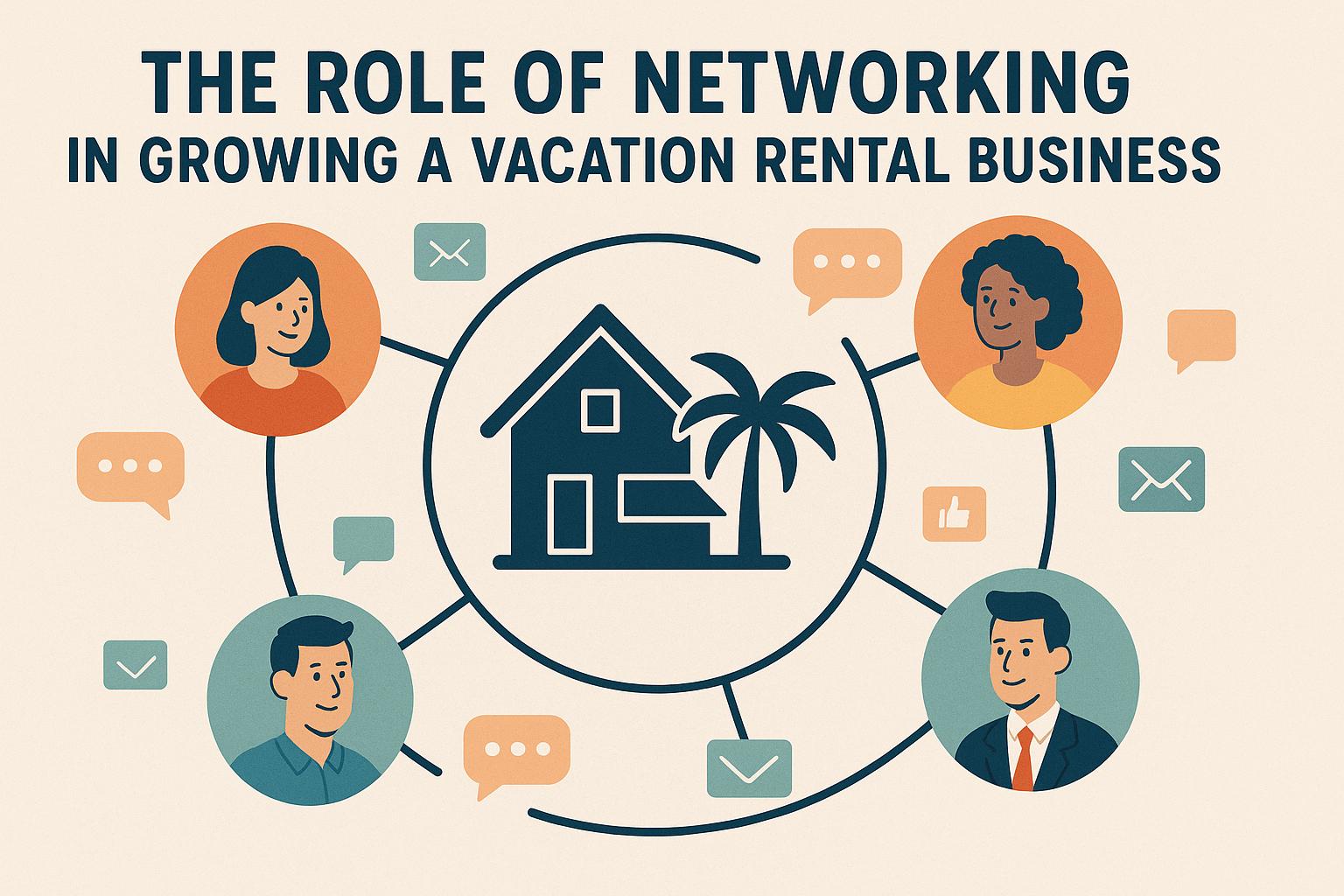
 The role of networking in growing a vacation rental business.
 The Importance of Networking in the Vacation Rental Industry
Networking plays a crucial role in the growth and success of a vacation rental business. It involves building relationships with various stakeholders, from industry professionals and local businesses to guests and influencers. Effective networking can lead to increased bookings, improved property visibility, and enhanced guest experiences, all of which are vital for the expansion of a vacation rental business.
Building Relationships with Industry Professionals
Connecting with other professionals in the vacation rental industry can provide a wealth of knowledge and resources. Industry conferences, workshops, and online forums are excellent venues for meeting property managers, real estate agents, and vacation rental consultants. These contacts can offer valuable insights into market trends, pricing strategies, and regulatory changes.
In a competitive market, having access to up-to-date information can differentiate a thriving business from a struggling one. Participating in industry events provides a platform to learn from seasoned experts, gain insights into innovative practices, and discover new business opportunities.
Engaging with professionals also broadens one’s knowledge base, allowing for informed decision-making concerning property management, marketing strategies, and guest satisfaction. These interactions can lead to collaborations that benefit all parties involved, potentially resulting in joint ventures or affiliate marketing deals.
Partnerships with Local Businesses
Establishing partnerships with local businesses such as restaurants, tour operators, and service providers can enhance the appeal of a vacation rental. By collaborating with these businesses, owners can provide guests with exclusive discounts or curated experiences. This not only enriches the guest’s stay but also fosters goodwill with the community, which can lead to cross-promotional opportunities.
These collaborations can also create a unique selling proposition for a vacation rental, distinguishing it from competitors. Offering added value through local partnerships can turn a standard vacation rental into a memorable experience, encouraging positive reviews and word-of-mouth referrals.
Understanding local businesses enables vacation rental owners to create alliances that enhance their brand’s credibility. When guests recognize a rental’s involvement with reputable local partners, it boosts their confidence and increases the likelihood of bookings.
Engagement with Online Communities
Participating in online communities and forums dedicated to vacation rentals is another effective networking strategy. Platforms such as LinkedIn, Airbnb Community Center, or specialized vacation rental groups can serve as a space to exchange tips, ask for advice, and share experiences with peers. Active participation in these communities can enhance one’s reputation and visibility within the industry.
Maintaining an active presence in these spaces involves contributing to discussions, offering advice, and sharing one’s experiences. By consistently engaging with the community, property owners can build a network of supportive peers who can offer assistance and advice when needed.
Moreover, participating in online communities can provide insights into potential challenges or opportunities within the industry, helping owners to proactively adapt to changes or capitalize on new trends.
Leveraging Social Media and Influencers
Social media is a powerful tool for networking and can significantly impact the growth of a vacation rental business. By connecting with travel bloggers and influencers through platforms like Instagram or Twitter, property owners can reach a broader audience. Influencers can help showcase a rental property to potential guests through engaging content and live experiences.
Collaborating with influencers allows rental owners to tap into established audiences and leverage the influencer’s credibility to enhance their property’s reputation. When influencers visit and promote a property, it reaches potential guests who follow the influencer’s recommendations and experiences.
Using social media strategically involves creating visually appealing content, engaging with followers, and highlighting unique features of the property. This active and strategic approach can lead to increased engagement, driving further interest and booking inquiries.
Guest Interactions and Referrals
Networking also extends to interactions with guests. Building a strong relationship with guests can result in repeat bookings and referrals, which are essential for the long-term success of a vacation rental. Encouraging guests to leave positive reviews or to recommend the property to their network can enhance the property’s reputation and attract more visitors.
Personalized communication, attention to detail, and a focus on customer service contribute to memorable guest experiences. Listening to guest feedback and acting on it shows a commitment to improvement, fostering a loyal customer base willing to recommend the property to friends and family.
A property’s online reputation heavily influences booking decisions, and fostering positive guest interactions is integral to building that reputation. Therefore, maintaining an open line of communication with guests, resolving any issues promptly, and exceeding guest expectations can turn satisfied customers into brand advocates.
Participating in Local Associations
Joining local or regional vacation rental associations can be a strategic move for business owners. These organizations often offer networking events, educational resources, and advocacy services. Being part of such an association can increase a rental business’s credibility and provide opportunities to connect with fellow property owners and potential partners.
Membership in these associations enables property owners to stay informed about legislative changes and industry standards that could impact their business. It also presents opportunities for professional development, allowing owners to refine their skills in areas such as marketing, hospitality, and property management.
Networking through associations can facilitate the sharing of best practices and innovative solutions to common challenges within the industry. Collaborations and partnerships formed within these groups can enhance a property’s exposure and operational efficiency.
Conclusion: Networking is an integral aspect of growing a vacation rental business. Through strategic connections with industry professionals, local businesses, online communities, and guests, property owners can enhance the visibility and appeal of their rentals. By investing time and effort into building and maintaining these relationships, vacation rental entrepreneurs can achieve sustainable growth and success.