
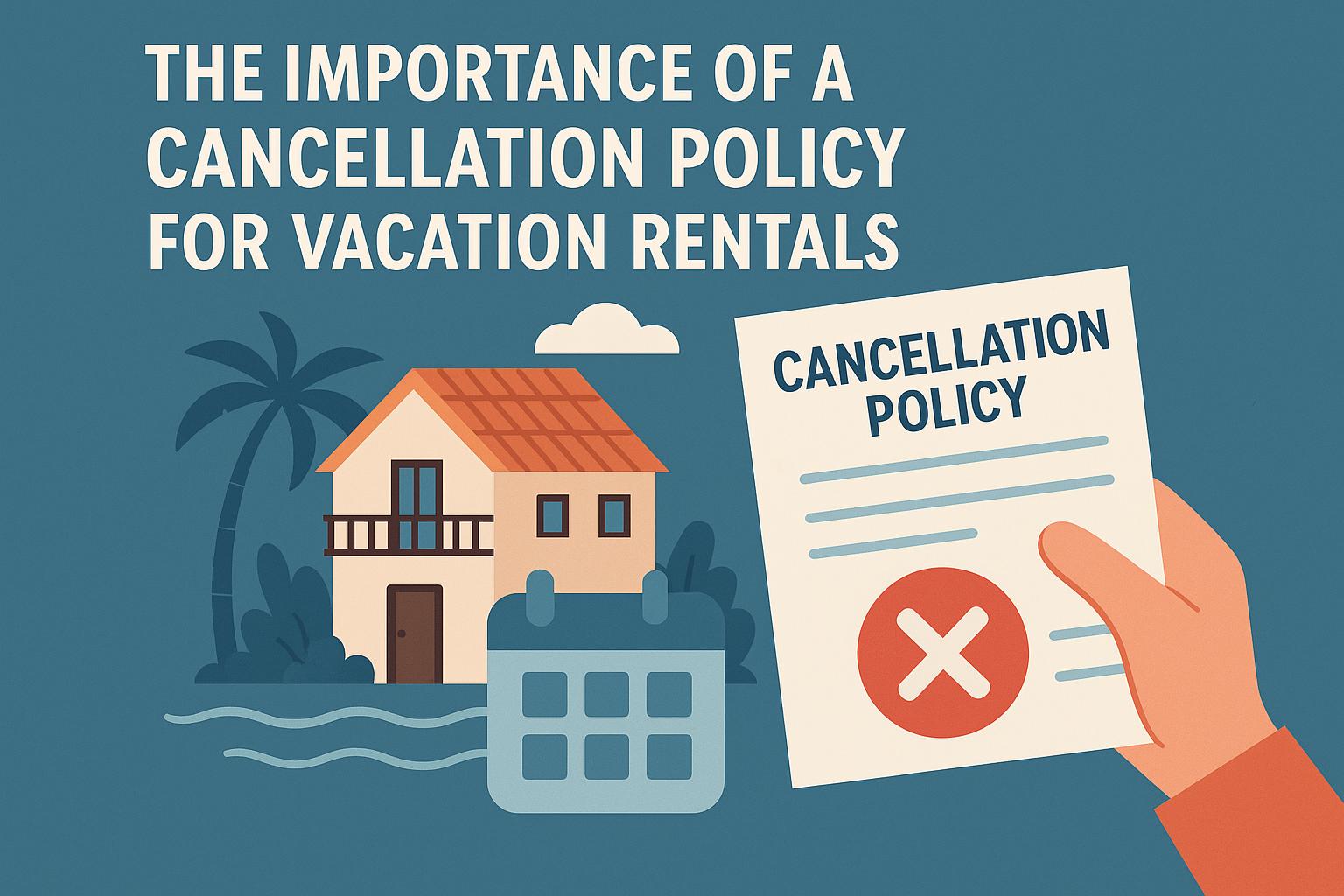
 The importance of a cancellation policy for vacation rentals.
 Understanding Cancellation Policies in Vacation Rentals
In recent years, the vacation rental industry has seen a substantial increase in popularity. More travelers are seeking alternative accommodations other than traditional hotels, and property owners are eager to capitalize on this demand. As the sector continues to grow, the development and understanding of cancellation policies become a pivotal aspect of this business model for both hosts and guests. These policies are not only instrumental in safeguarding property owners’ interests but also in providing travelers with clarity and assurance during their booking process.
Benefits for Property Owners
From a property owner’s perspective, an effective cancellation policy offers several critical benefits that are essential for the success and sustainability of their business. The first and foremost advantage is providing a level of financial protection. When travelers cancel their reservations without a cancellation policy in place, property owners face the risk of unexpected vacancies. Such vacancies often result in lost revenue, particularly during peak seasons or holiday periods when demand is usually high. By implementing a robust cancellation policy, property owners ensure they have a mechanism in place to mitigate such potential losses.
Furthermore, a cancellation policy aids in managing expectations. Clearly defined terms and conditions relating to cancellations assist property owners in setting the right expectations for potential guests. This transparency reduces misunderstandings and dissatisfaction, ensuring that both parties are aware of the expectations and consequences in the event of a cancellation.
Another important aspect is that a standardized cancellation policy can lead to improved operational efficiency. Property owners who utilize platforms like Airbnb or Vrbo often align with the platform’s standard policies to simplify their process. When hosts adopt these policies, it streamlines their rental operations, eliminating the need for frequent administrative negotiations related to cancellations and refunds. This alignment not only removes unnecessary tasks but also supports consistent communication and policy enforcement across different listings.
Advantages for Guests
For travelers, the presence of well-structured cancellation policies is equally advantageous. Knowing the exact terms and conditions regarding cancellations before booking a property allows guests to make informed decisions. In scenarios where they might need to cancel or modify their reservations, understanding the policy upfront prepares them for any associated fees or refunds they might be eligible to receive. This knowledge empowers travelers to plan their trips with greater confidence and reduces the stress associated with unforeseen travel alterations.
Moreover, a fair cancellation policy ensures equity for all involved parties. A thoughtfully devised policy takes into consideration the needs and expectations of both property owners and guests. Such a balanced approach ensures that both parties are treated equitably in cases where plans need to change due to unforeseen circumstances.
Establishing a Balanced Policy
Achieving balance in cancellation policies is crucial to fostering positive relations between hosts and guests. Property owners can consider offering a range of cancellation strategies, categorized as flexible, moderate, or strict. Flexible policies might offer full refunds if a cancellation is made within a short window before check-in. Moderate terms might allow for partial refunds, and strict policies might only permit refunds for cancellations made well in advance of the stay.
Property owners should also account for external factors that are beyond the control of guests. Events such as natural disasters, political instability, or global health emergencies can impact a traveler’s ability to honor a reservation. Hosting platforms might sometimes require special provisions for these situations, ensuring fairness and compassion in the face of challenges that impact travel plans.
Conclusion
In conclusion, cancellation policies in the vacation rental sector are indispensable for protecting the financial interests of property owners and providing peace of mind to guests. They establish security, set expectations clearly, improve operational processes for property owners, and offer a sense of fairness and confidence to travelers. As the vacation rental market continues evolving, the importance of clear and considerate cancellation policies will equally expand. Well-defined cancellation terms are a significant factor in the successful management of rental properties. Property owners and guests alike can benefit from further exploring available resources on vacation rental platforms like Airbnb and Vrbo for additional guidance on implementing effective cancellation policies. Through comprehensive and fair policies, both parties can enjoy a more seamless and transparent vacation rental experience.