
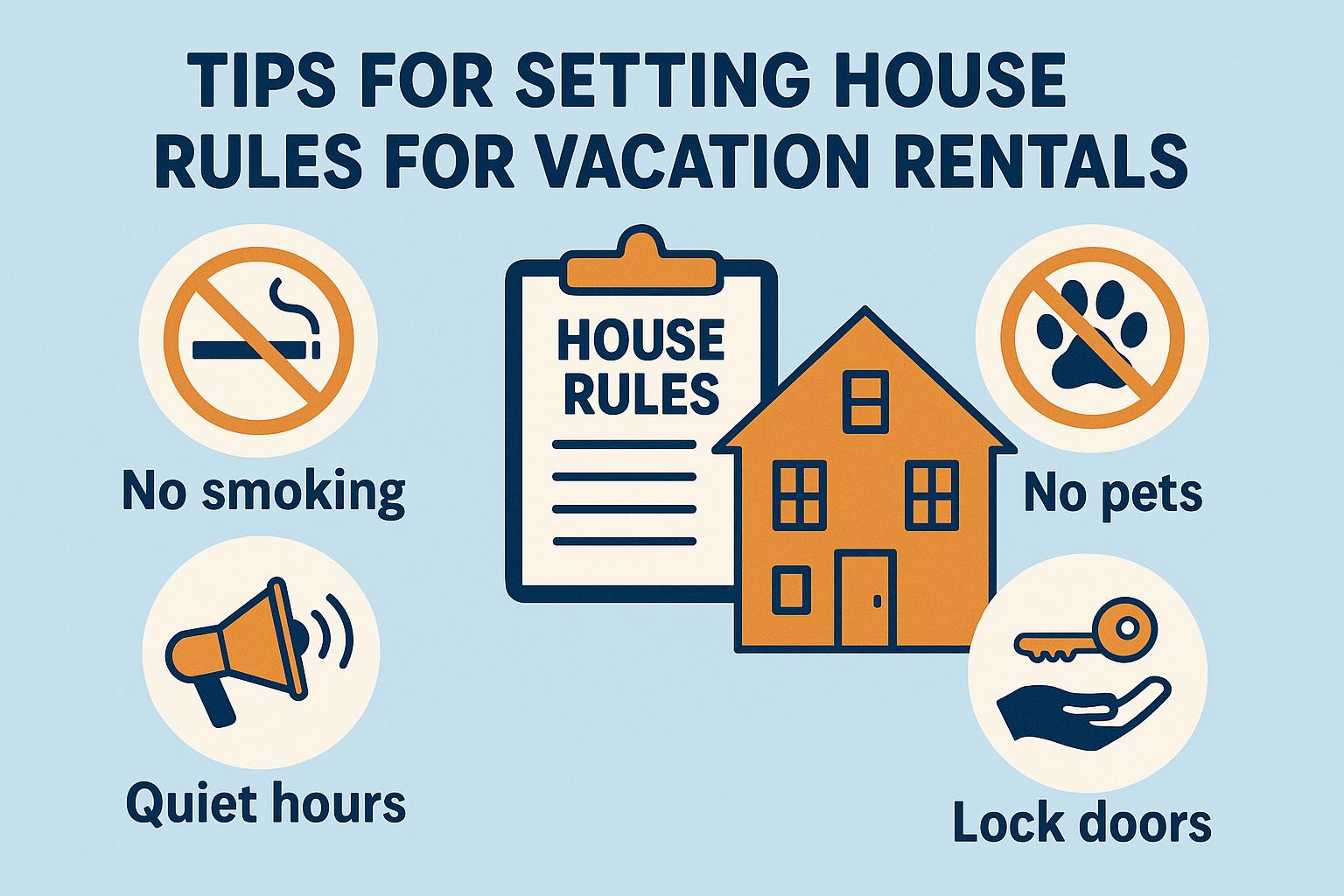
 Tips for setting house rules for vacation rentals.
 Understanding the Importance of House Rules
Establishing house rules for vacation rentals is crucial for both property owners and guests. These rules help ensure that everyone has a clear understanding of expected behaviors, which can prevent potential conflicts and preserve the property’s condition. Well-defined house rules also contribute to a positive experience, enhancing guest satisfaction and securing future rentals.
Key Considerations for Setting House Rules
When drafting house rules, there are several factors to consider. These include the nature of the property, the potential impact of guest behavior on neighbors, and local regulations. By striking a balance between guest comfort and property maintenance, property owners can create an effective set of rules.
Property-Specific Guidelines
It’s important to tailor rules to the unique characteristics of your property. For instance, if your rental is part of a community with shared amenities, such as a pool or fitness center, ensure that your rules align with community guidelines. If your property features sensitive areas, like a garden or rooftop, specify any restrictions that can prevent damage. Paying attention to these details is vital, as it helps protect your property while respecting the existing community environment. This approach maintains the integrity of both your rental property and the communal facilities, ultimately enhancing the renter’s experience.
Considering Local Laws and Regulations
Before finalizing house rules, review local laws that might affect your rental. Many areas have regulations on noise levels, occupancy limits, and even pet policies. Ensuring your house rules comply with these laws will protect you from potential legal issues. Understanding and integrating these legislative requirements into your house rules stipulates that you are proactive in both preserving your property’s standard and maintaining goodwill within the broader community. Being compliant with legal stipulations not only builds your credibility as a property owner but also secures the trust and safety of your guests.
Balancing Flexibility and Rigidness
While house rules should be clear and enforceable, striking the right balance between flexibility and rigidity is essential. Overly stringent rules might deter guests, while too much leniency can lead to property damage or disturbances. Consider permitting flexibility in certain areas, such as check-in and check-out times, while maintaining strict guidelines in others, like smoking and noise regulations. This nuanced approach aims to accommodate guest preferences where appropriate, without compromising the safety and condition of your rental space.
Effective Communication of House Rules
Clearly communicating your house rules can minimize misunderstandings and encourage compliance. Consider incorporating the following methods to effectively communicate these guidelines:
Pre-Arrival Information
Send guests a detailed outline of the house rules before their arrival. This can be done via email or through your booking platform’s messaging system. Providing this information in advance gives guests ample time to familiarize themselves with the rules. Pre-arrival communication sets a proactive tone, ensuring both parties have clear expectations before the stay begins. This reduces confusion and lays down a foundation of transparency and mutual respect.
Visible Placements Within the Property
Place printed copies of the house rules in visible areas within the rental, such as the entryway, kitchen, or any shared spaces. This serves as a helpful reminder during their stay. Physical visibility of the rules reinforces their importance and encourages adherence, acting as a constant guide to expected conduct while guests enjoy the premises.
Online Confirmation and Acknowledgment
Some platforms allow for an online acknowledgment or agreement to the house rules as part of the booking process. Utilize this feature to ensure guests understand and agree to the terms before finalizing their reservation. This step aligns technological capabilities with effective property management, creating a seamless and informed booking process that benefits both guests and hosts. For more information on using booking platforms effectively, visit The Balance.
Regularly Update and Review House Rules
Guest expectations and local regulations may change over time, making it necessary to periodically review and update your house rules. Invite feedback from guests and keep abreast of industry trends to ensure your rules remain relevant and effective. Regular updates not only help in aligning your property protocols with legal requirements but also aid in matching evolving customer expectations, ultimately enhancing guest satisfaction and fostering ongoing success in vacation rentals.
By thoughtfully setting and communicating house rules, vacation rental owners can create a positive and enjoyable experience for both guests and themselves, ensuring long-term success and excellent guest reviews. A successful rental scenario involves more than just aesthetically pleasing accommodations and strategic location. It hinges on a comprehensive framework of rules that underlines every guest interaction with the property, ensuring conformity and a harmony that benefits every party involved. Balancing relevance with rigor, synchronizing with both community and personal standards, and communicating clearly form the cornerstone of a rewarding and thriving rental venture. With thoughtful and proactive attention to these elements, property owners can adeptly guide their vacation rentals through a landscape of varied guest preferences and regulatory landscapes, ensuring robustness and sustainability over the long term.